
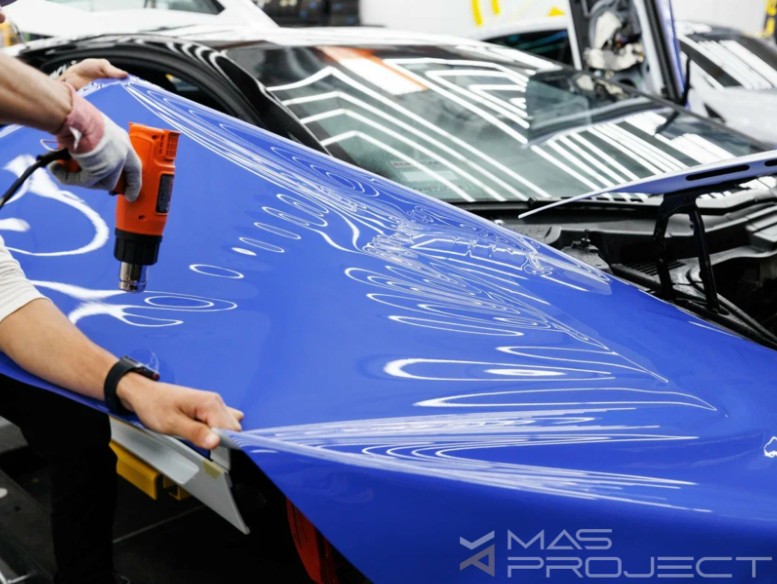
Car wrapping is booming across Perth, giving motorists a fast way to refresh paintwork, advertise businesses and shield factory finishes from UV. Yet many drivers still ask, “Is vinyl wrap legal in WA?” The short answer is yes—when the wrap meets Western Australia’s vehicle-standards rules and registration paperwork is kept up-to-date.
This guide distils the latest advice from the WA Department of Transport, the National Code of Practice for Light Vehicle Construction and Modification (NCOP), and local industry experts. By the end, Perth owners will know exactly how to stay compliant, avoid fines, and enjoy a head-turning finish.
WA Wrap Rules at a Glance
| Requirement | What the Law Expects | Key Reference |
| Colour change | Must lodge Change of Vehicle Details (Form E36) within 14 days of wrapping; no inspection or modification permit needed for cosmetic colour change | transport.wa.gov.au |
| Reflective/ chrome film | Prohibited if finish dazzles other road users; highly-reflective chrome and holographic wraps usually non-compliant | carexpert.com.austartint.com.au |
| Window coverage | Windscreens and front side windows must stay ≥ 35 % VLT; reflective tint or opaque vinyl over glass not allowed | transport.wa.gov.au |
| Lights / plates | Film may not obscure headlights, indicators, ADR-required reflectors or number plates | Road Traffic (Vehicle Standards) Rules |
| Advertising wraps | Permitted, provided graphics don’t reduce driver vision or mimic emergency vehicles | NCOP 3.14, WA Vehicle Standards |
1. How WA Classifies a Vinyl Wrap
Western Australia treats a colour wrap as a minor modification—the same bucket as upgrading alloy wheels. Minor mods do not require an inspection or engineering sign-off as long as they keep the vehicle compliant with the Australian Design Rules (ADRs) and the Road Traffic (Vehicles) Regulations 2014.
Because ownership details in the WA vehicle database include body colour, drivers must still file an E36 form to update the record after wrapping. Failing to notify within 14 days can attract a penalty infringement.
Quick Tip: MAS Project’s installers keep blank E36 forms on hand and can submit the paperwork for clients at hand-over, simplifying compliance.
2. Colour Change Paperwork—Step-by-Step
- Download Form E36 from the Department of Transport website or pick one up at a DVS centre.
- Fill in registration number, existing colour, and new “predominant” colour.
- Lodge the form online via DoTDirect or submit in person/post within 14 days.
- Keep a copy of the receipt in the glovebox; WA Police may ask to sight confirmation during roadside checks.
A single-tone satin black wrap is straightforward. If a design uses multiple colours, list the colour that covers the largest surface area or the base paint colour beneath the film.
Drivers who need professional guidance can lean on Perth’s vinyl wrap expertise at MAS Project’s vinyl-wrap studio—the team handles colour-coding details every week.
3. Reflective, Chrome and Colour-Shift Films—Where the Line Is Drawn
NCOP section 3.14 allows “markings, stripes and film that do not reflect excessive light.” Highly-reflective chrome or holographic wraps are deemed illegal if they dazzle other road users.
WA enforcement focuses on:
- Retro-reflectivity: Surfaces that bounce headlights straight back at drivers behind.
- Mirror-grade chrome: High specular reflection under sun or streetlights.
- Fluorescent emergency colours: Day-glow reds and blues risk confusion with police or ambulances.
If you’re set on a show-car chrome, expect to trailer the vehicle to closed events or secure a one-off permit, which is rarely granted.
4. Which Wrap Finishes Clear Compliance?
| Finish Type | WA Road-Use Status | Notes |
| Gloss / Satin / Matte | ✅ Legal | Most popular colours; zero reflectivity issues |
| Metallic (non-mirror) | ✅ Legal | Fine “flake” metallics fall under standard film rules |
| Brushed / Carbon Texture | ✅ Legal | No additional glare |
| Colour-shift pearl | ⚠️ Conditional | Permitted if non-reflective and primary hue declared |
| Chrome / Mirror | ❌ Generally banned | Excessive glare; likely infringement |
| Retro-reflective safety film | ❌ Restricted | Reserved for emergency / oversized loads |
5. Signage & Commercial Wraps
Fleet owners often combine wraps with branding. WA regulations permit door and quarter-panel advertising if:
- Graphics don’t cover windscreens beyond a 100 mm upper strip.
- Essential lighting and the WA number plate remain visible and unobstructed.
- Reflective elements are limited to approved “Oversize” or “Emergency” signage.
MAS Project’s design team integrates compliant layouts that pop without risking fines.
6. Window Areas, Vision and Tint Rules
Front and side glass must maintain at least 35 % visible-light transmission (VLT) after any film is applied. Reflective or mirror-like tint is capped at 10 % reflectance.
That means:
- Forget opaque vinyl over the windscreen.
- Perforated one-way window graphics are legal only behind the B-pillar and must meet VLT guidelines.
- Rear windows can be darker, but reversing cameras or mirrors must provide adequate view.
7. Safety Technology Considerations
Modern vehicles hide radar units, parking sensors and autonomous-driving cameras behind bumpers and badges. A poorly chosen wrap could:
- Block radar frequencies (especially metalised chrome).
- Trigger parking sensors due to added film thickness on ultrasonic transducers.
- Interfere with lane-keeping cameras if film is applied under windscreen glass.
Before installing a wrap, technicians at MAS Project in Osborne Park perform a sensor map to avoid critical zones and ensure advanced driver-assistance systems remain operational—another reason to trust certified installers rather than DIY kits.
8. Insurance & Police Inspections
Most comprehensive policies cover wraps once declared, but insurers may ask for:
- Invoice showing material grade and cost.
- Colour change documentation (your E36 receipt).
- Photos proving compliance if the wrap uses reflective accents.
WA Police can issue a Vehicle Defect Notice if a wrap blinds other drivers or hides the plate. Vehicles may then require inspection at an Approved Inspection Station before returning to the road.
9. Compliance Checklist for Perth Drivers
- Choose ADR-compliant film—avoid mirror chrome.
- Book with an accredited installer experienced in WA rules.
- Measure glare—matte or low-sheen finishes are safest.
- File Form E36 within 14 days of colour change.
- Check VLT on glass after any window graphics.
- Leave lights and reflectors clear.
- Skip emergency-style colours or flashing lights.
- Capture before-and-after photos for insurance.
- Store receipts and paperwork in glovebox.
- Schedule annual wrap inspections—MAS Project offers free check-ups for clients.
The Bottom Line
Car wrapping is perfectly legal in Western Australia when done within the rules: use non-reflective film, keep windows and lights unobstructed, and lodge a quick colour-change form. Professional installers simplify every step, safeguard your vehicle’s sensors, and deliver a flawless finish that stands up to Perth’s fierce sun. Want to understand what impacts the total price of a vehicle wrap? Check out our 2025 Car Wrap Cost Guide for Perth for real estimates and expert tips.
Perth motorists seeking peace of mind can rely on MAS Project compliant vinyl-wrap solutions—backed by local know-how, premium materials, and full paperwork support.
Frequently Asked Questions
Do I need a modification permit for a standard colour wrap?
No. WA classes a colour wrap as a minor modification, so no permit or inspection is required, provided the vehicle remains ADR compliant. You must still lodge an E36 form to update registration details
Are chrome or holographic wraps legal on Perth roads?
Highly-reflective finishes that dazzle other drivers are generally prohibited. Owners risk an on-the-spot defect notice and fines if the film causes glare.
What happens if I forget to declare the new colour?
Failing to notify the Department of Transport within 14 days can result in a penalty infringement and may complicate insurance claims after an incident.
Can I wrap over my vehicle’s windows?
Only rear side and back windows may carry perforated graphics, and overall glass must still meet WA’s VLT limits. Front side windows and windscreens cannot be covered with opaque or reflective film.
Will a vinyl wrap affect my car’s safety sensors?
Non-metallic films rarely interfere, but chrome and some metal-flake options can impede radar or ultrasonic signals. A qualified installer maps sensor zones and selects compatible materials to keep ADAS functioning properly.
